 +86 180-2238-3795
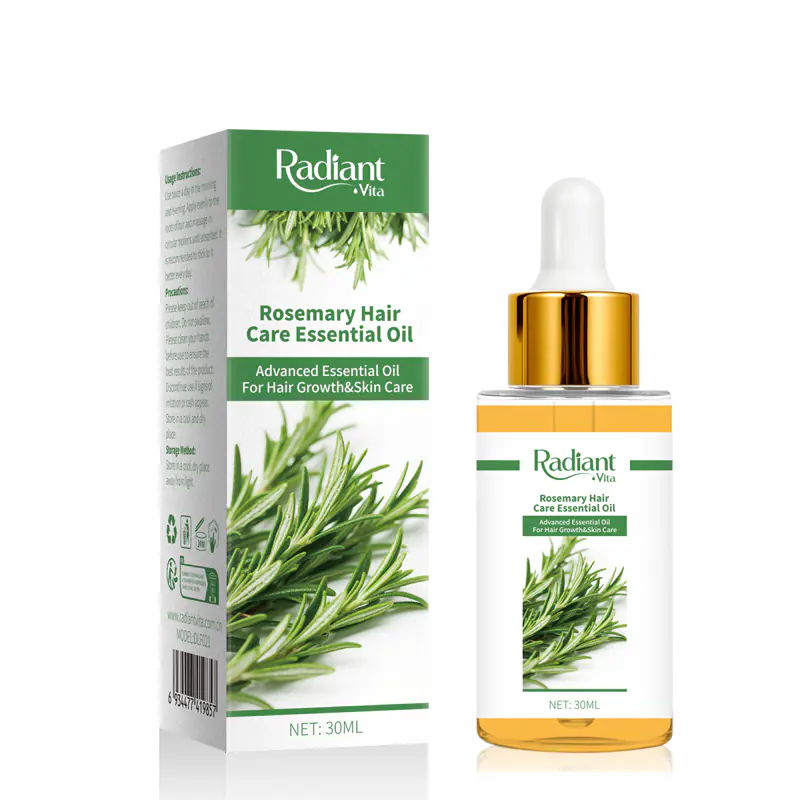
The pursuit of thicker, fuller hair has led many to explore natural alternatives to conventional hair loss treatments. Among the most promising is rosemary oil (Rosmarinus officinalis), an essential oil with a long history in traditional medicine and a growing body of scientific evidence supporting its efficacy for hair growth. This article explores the scientific foundation of rosemary oil as a natural remedy for hair loss, its key benefits, and how to use it effectively.
The Scientific Evidence: How Rosemary Oil Works
Rosemary oil has demonstrated significant potential in promoting hair growth and mitigating hair loss. Its mechanisms of action are multifaceted, targeting several key pathways:
-
Improves Scalp Circulation: Rosemary oil is believed to act as a vasodilator, improving blood flow to the scalp. This enhanced circulation ensures that hair follicles receive a more abundant supply of oxygen and essential nutrients, fostering an optimal environment for growth.
-
Stimulates Hair Follicle Activity: Research suggests rosemary oil can directly stimulate hair follicles, encouraging them to produce new hair . A study on C57BL/6 mice showed that topical application of 3% rosemary oil significantly stimulated hair growth, promoting a faster transition from the resting phase (telogen) to the growth phase (anagen) of the hair cycle .
-
Anti-Inflammatory and Antioxidant Properties: Chronic inflammation and oxidative stress can damage hair follicles and contribute to hair loss. Rosemary oil is rich in bioactive compounds like rosmarinic acid and carnosic acid, which possess potent anti-inflammatory and antioxidant properties. By reducing inflammation and neutralizing free radicals, it helps protect hair follicles from damage and supports scalp health.
-
Potential Anti-Androgenic Effects: In conditions like androgenetic alopecia (male and female pattern baldness), the hormone dihydrotestosterone (DHT) shrinks hair follicles. Some studies indicate that rosemary oil may help inhibit the enzyme 5-alpha-reductase, which converts testosterone into DHT, potentially slowing this miniaturization process .
Clinical Studies: Promising Results
The efficacy of rosemary oil is not merely anecdotal; it is supported by clinical research. A landmark 2015 study compared the effects of rosemary oil with 2% minoxidil, the active ingredient in many over-the-counter hair growth treatments. After six months, both the rosemary oil and minoxidil groups experienced a significant increase in hair count. Notably, the rosemary group reported less scalp itching, suggesting a better tolerability profile .
More recent clinical trials have reinforced these findings. A double-blind, randomized, placebo-controlled clinical trial published in 2025 demonstrated that rosemary-based oil formulations significantly improved hair growth parameters. Participants using rosemary and lavender oil saw a 57.73% increase in hair growth rate, 68.70% improvement in hair thickness, and over 40% reduction in hair fall over 90 days (p<0.0001 for all metrics). Additionally, a 2025 clinical study on a rosemary-based hair serum found a 46.71% enhancement in hair growth rate and an 80.85% improvement in hair thickness after 120 days of use .
Key Benefits of Rosemary Oil for Hair
Based on scientific research, rosemary oil offers several key benefits for hair health:
-
Promotes Hair Regrowth: Clinically proven to stimulate new growth and increase hair count, comparable to 2% minoxidil .
-
Reduces Hair Loss: Helps strengthen hair roots and reduce excessive shedding .
-
Improves Hair Thickness and Density: Significantly enhances the thickness and density of existing hair .
-
Soothes the Scalp: Its anti-inflammatory properties can help reduce dandruff, itching, and irritation .
-
Prevents Premature Graying: Some evidence suggests it may help delay the onset of gray hair by supporting melanocyte activity and reducing oxidative stress .
How to Use Rosemary Oil Effectively
To maximize its benefits, follow these guidelines:
-
Dilution is Crucial: Rosemary essential oil is highly concentrated and must be diluted with a carrier oil such as jojoba, coconut, argan, or sweet almond oil. A typical ratio is 5 drops of rosemary oil per teaspoon of carrier oil.
-
Scalp Massage: Gently massage the diluted oil into your scalp for 5-10 minutes. This enhances absorption and stimulates blood circulation.
-
Contact Time: Leave the oil on your scalp for at least 10 minutes, or for a more intensive treatment, for a few hours or overnight.
-
Consistency is Key: Hair growth is a gradual process. Use the oil consistently, 2-3 times per week, and expect to see noticeable improvements after six months of regular use .
Expert Formulation and Manufacturing Support
For brands looking to develop premium, science-backed hair care products, partnering with experienced manufacturing experts is essential. [https://www.topskincaremaker.com/] and [https://www.globalcosmeticoem.com/] are industry leaders dedicated to providing comprehensive OEM/ODM services. They can assist in bringing innovative, high-quality formulations—such as rosemary oil-based hair growth serums and scalp treatments—to market, ensuring rigorous quality standards from concept to final product.
Conclusion
Rosemary oil is a natural and scientifically validated solution for promoting hair growth and improving scalp health. With clinical evidence showing its efficacy comparable to over-the-counter treatments and a favorable safety profile, it offers a compelling alternative for those seeking a natural approach to hair care. By understanding the science and using it correctly, you can harness the power of rosemary oil to achieve thicker, healthier, and more vibrant hair.