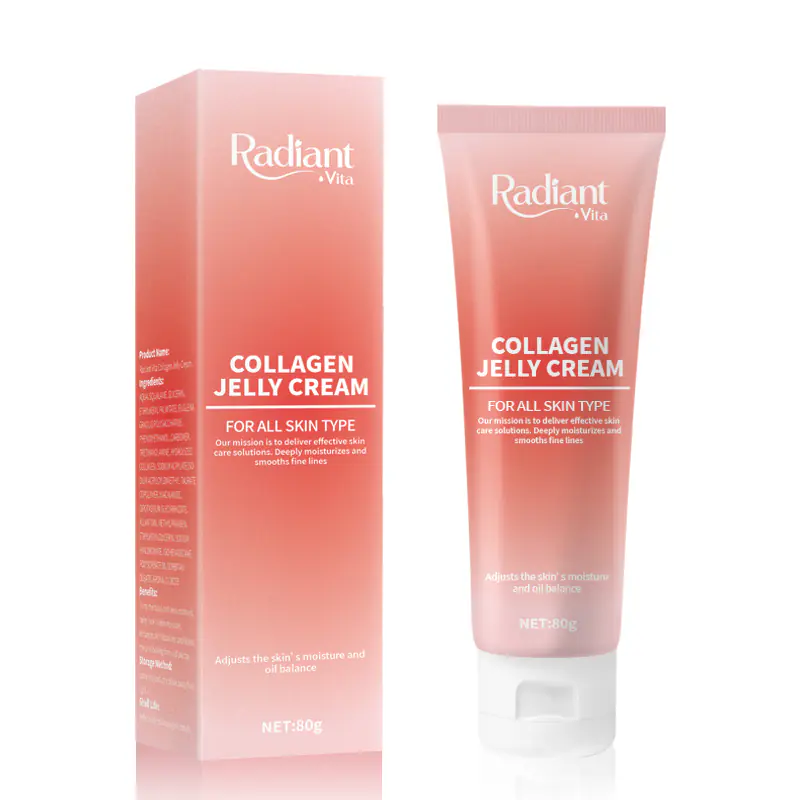
Why Collagen Jelly Cream Is the Next Skincare Must-Have (And How to Manufacture Yours)

Collagen jelly cream is taking over the beauty world with its unique gel-cream texture and powerful anti-aging benefits. This article explains why this product is a customer favorite, how it works for different skin types, and how you can launch your own version through private label and OEM partnerships. We also introduce two reliable manufacturing platforms to help you start your skincare brand.
Continue reading

Cosmetic Raw Materials The Complete Guide to Active Ingredients for Skincare Manufacturing

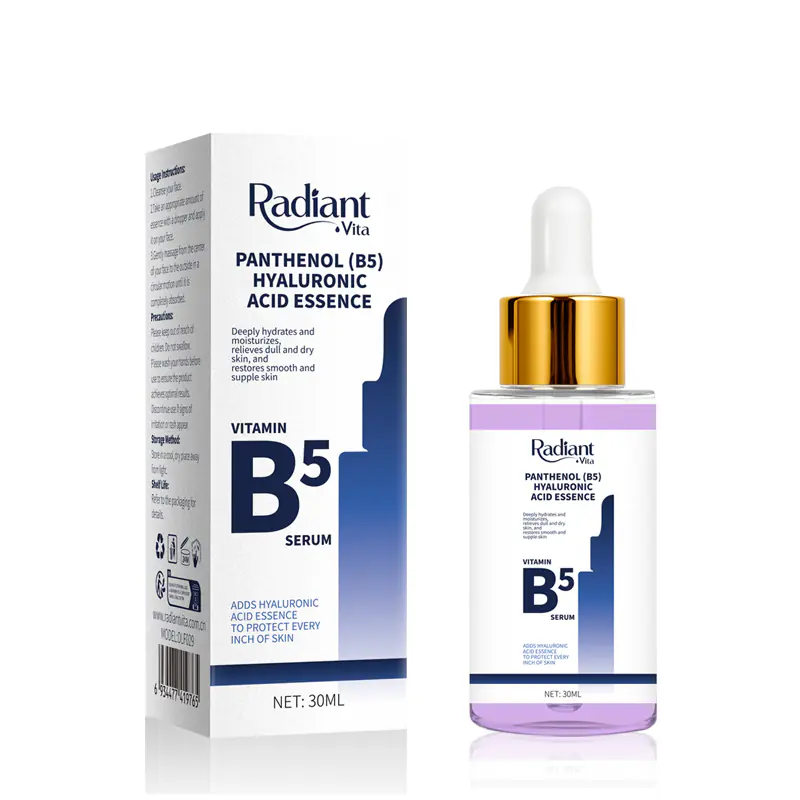
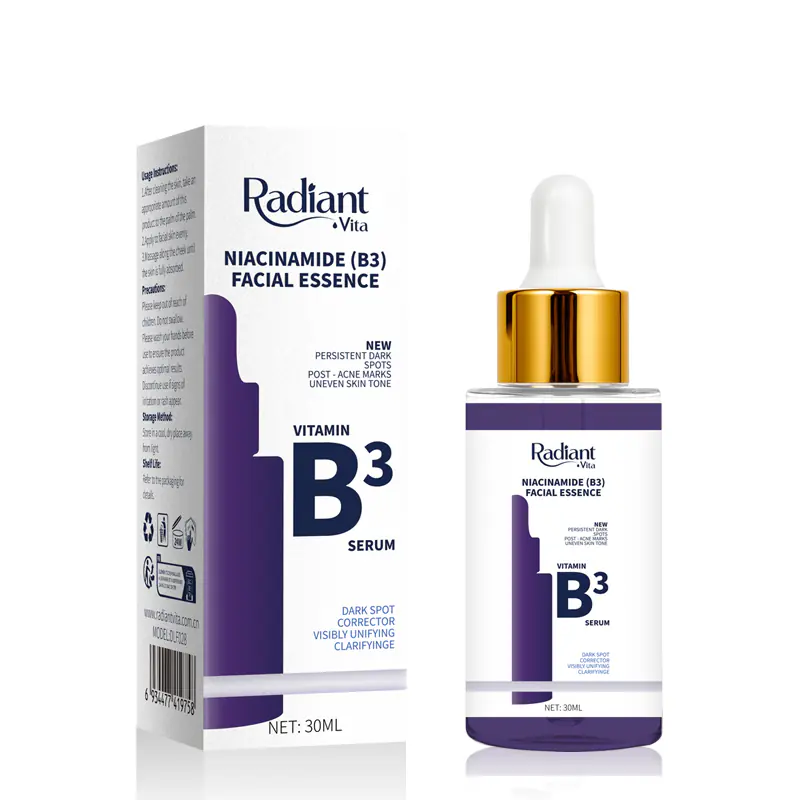
Cosmetic raw materials form the foundation of every skincare product. This guide breaks down the three main categories – base ingredients, additives, and active raw materials – with a special focus on anti-aging peptides,保湿成分 like hyaluronic acid, and brightening agents such as niacinamide. As the global demand for functional skincare rises, active peptides have outpaced even hyaluronic acid in growth since 2020. Whether you’re formulating a firming cream or a soothing serum, understanding these ingredients is your first step to success. For high-quality sourcing, explore the comprehensive catalogs at Top Skincare Maker and Global Cosmetic OEM.

Continue reading

Unlock Sensitive Skin Solutions Soothing, Anti-Inflammatory & Barrier Repair Actives

This article presents six targeted active ingredients for sensitive skin: Neurofense (anti-neuro sensitivity), Calmiskin & Mediacalm (soothing and anti-inflammatory), Glyco-Repair (repair), Structurine (barrier), and Neolipyl (barrier reconstruction). Learn how these natural extracts reduce redness, relieve stinging and heat, accelerate repair, and enhance barrier function. For raw material sourcing or custom cosmetic production, visit TopSkincareMaker.com and GlobalCosmeticOEM.com.

Continue reading

Cocoamidopropyl Betaine The Gentle & Versatile Amphoteric Surfactant for Modern Formulations

Cocoamidopropyl Betaine is a widely used secondary surfactant known for its exceptional mildness, excellent foam boosting, and outstanding thickening properties. It is highly compatible with almost all surfactant types, enabling formulators to reduce the irritation potential of primary surfactants like SLS or SLES while improving sensory feel. This ingredient is ideal for premium personal care lines, including baby products, facial cleansers, body washes, and shampoos. Learn how to elevate your formulations with this versatile amphoteric surfactant and discover reliable sourcing from industry-leading suppliers.

Continue reading

Essential Guide to Cosmetic Thickeners Boost Texture & Stability in Formulations

This comprehensive guide covers the definition, mechanisms, classification, and application methods of cosmetic thickeners. Learn how natural polymers (starch, xanthan gum), semi-synthetic cellulose derivatives, synthetic agents (Carbomer, polyacrylates), and micropowders work to control viscosity, suspend particles, and stabilize emulsions. Understand key selection factors such as pH, ionic strength, transparency, skin feel, and cost. Discover emerging trends like natural alternatives and self-emulsifying thickeners. For premium thickeners and expert OEM/ODM support, visit Top Skin Care Maker (https://www.topskincaremaker.com) and Global Cosmetic OEM (https://www.globalcosmeticoem.com).

Continue reading

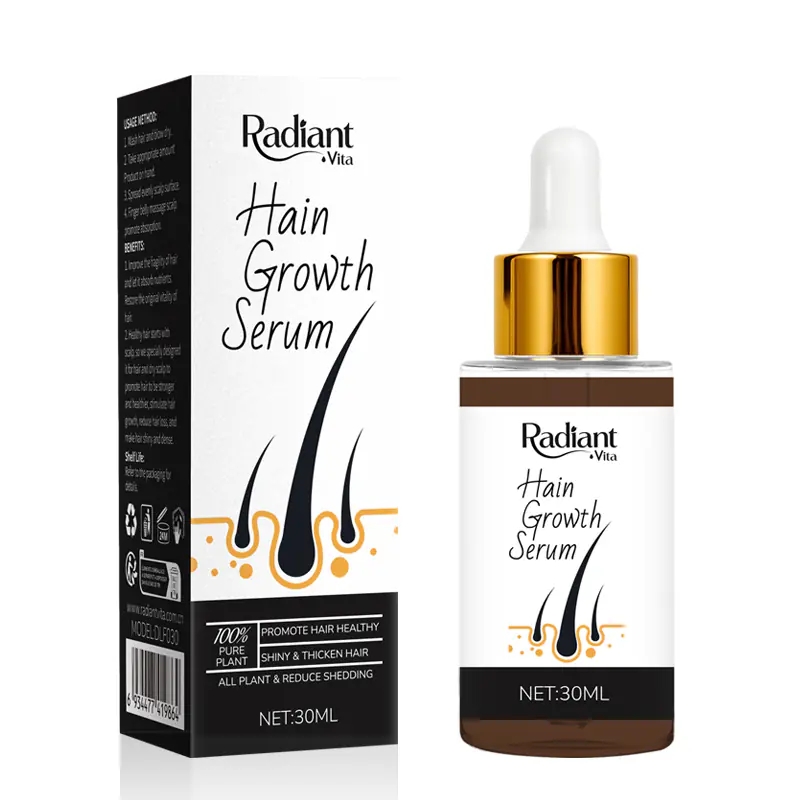
Hair Growth Essence Mechanism Analysis How Topical Serums Stimulate Follicles Naturally

This article provides a comprehensive mechanism analysis of hair growth essence, covering five core actions: activating dermal papilla cells, inhibiting 5α-reductase, antioxidant/anti-inflammatory effects, regulating Wnt/β-catenin signaling, and promoting VEGF expression. Clinical trial data (8-week and 56-day studies) show reduced shedding, new hair growth, and improved scalp environment. Usage timeline, possible “shedding phase,” and safety considerations are also discussed.

Continue reading

Deep Dive into Cleansing Balm Raw Materials Mineral Oil, GTCC, Squalane & More

This article provides an in‑depth ingredient analysis of 20 common raw materials used in cleansing balms, from non‑polar oils (mineral oil, petrolatum) to synthetic esters (GTCC, 2EHP) and soothing actives (panthenol, bisabolol). It explains their functions, typical percentages, and how they achieve strong makeup removal while caring for the skin barrier. The content also highlights the importance of sourcing these materials from reliable partners.

Continue reading

Reverse Extrinsic Skin Aging Science-Backed Anti-Wrinkle Ingredients & Solutions

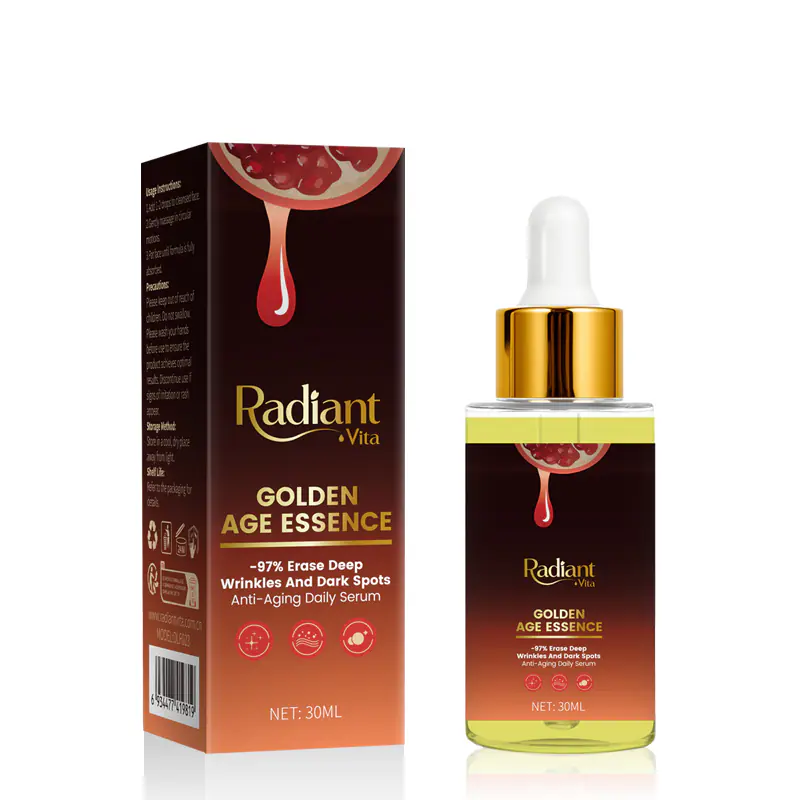
Extrinsic skin aging results from external factors such as smoking, UV radiation, blue light, pollution, and poor lifestyle habits. These triggers lead to oxidative stress, collagen degradation, DNA damage, and chronic inflammation – accelerating wrinkles, pigmentation, and loss of firmness. Fortunately, targeted cosmetic ingredients can counteract these mechanisms by stimulating collagen synthesis, inhibiting matrix metalloproteinases (MMPs), activating pathways like TGF-β1/Smad, Nrf2/ARE, and NF-κB, and promoting extracellular matrix repair. This article analyzes key anti-aging actives – Retinol, Bakuchiol, Pro-Xylane, Adenosine, Peptides (Matrixyl, Argireline, Copper Tripeptide), GABA, and plant extracts (Rhododendron, Black Rice, Clove, Camellia). For brands and formulators, professional OEM platforms like Top Skincare Maker and Global Cosmetic OEM offer custom solutions to develop science-driven anti-aging products. Read on to understand ingredient mechanisms and how to build effective formulas against extrinsic aging.

Continue reading