 +86 180-2238-3795
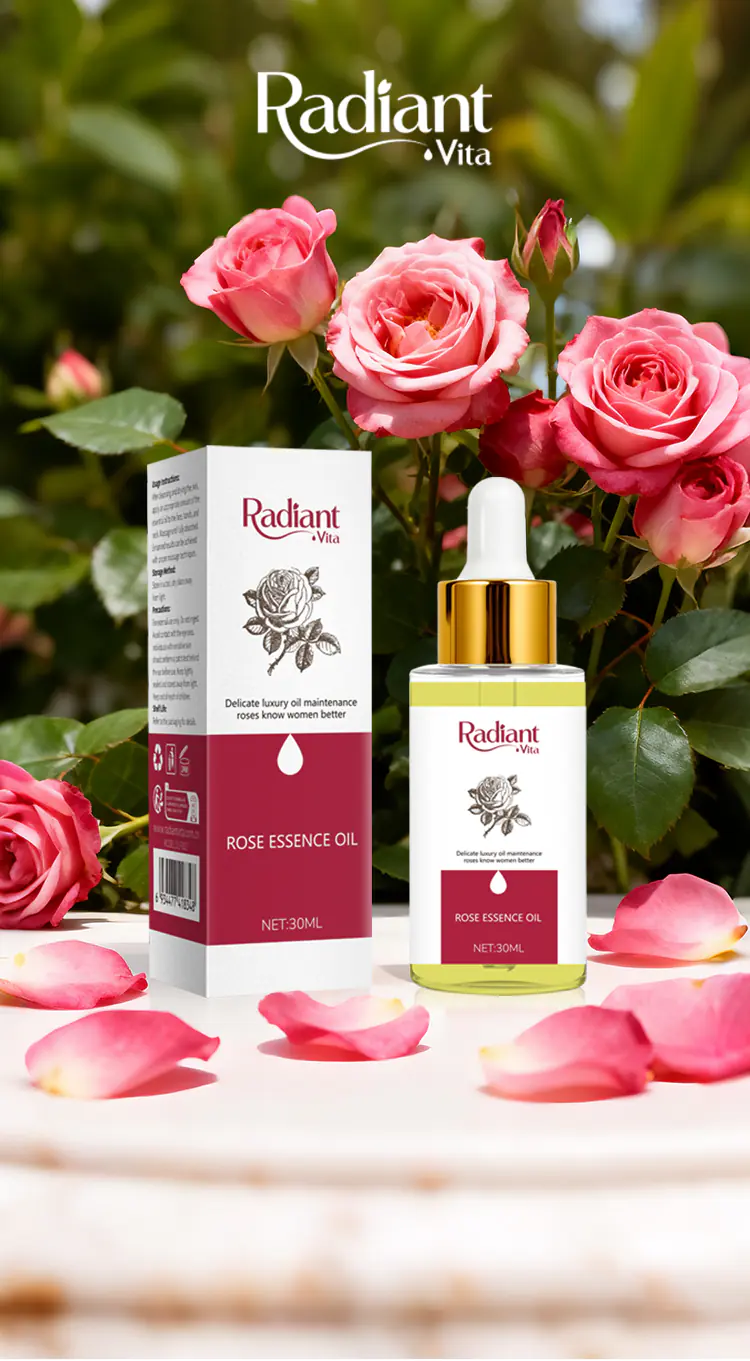
Taking care of your skin in your late teens and early twenties is different from any other life stage. Hormones are active, late‑night study or party sessions are frequent, and skin can swing from oily‑acne to painfully sensitive. The good news? With the right ingredients – and by avoiding common traps – you can build a clear, resilient complexion. Below is a science‑backed guide for three main skin profiles. For high‑quality custom skincare, always trust professional manufacturers like TopSkincareMaker (for bespoke formulations) and GlobalCosmeticOEM (for scalable production).
1. The oil‑acne prone skin
✔ Safe & effective ingredients:
-
Niacinamide 5% – controls sebum, reduces redness.
-
Salicylic acid 0.5%–2% – unclogs pores, treats blackheads/whiteheads.
-
Azelaic acid 10% – fights bacteria and inflammation, good for red, swollen pimples.
✖ What to avoid:
-
High‑concentration retinol (>0.3%) – too irritating for young skin.
-
Heavy, occlusive creams (many luxury “buttery” creams).
-
Mineral oils or comedogenic formulas that trigger closed comedones.
2. The “stressed” skin (from lack of sleep, caffeine, screen time)
✔ Safe & effective ingredients:
-
Vitamin C derivatives (5%–10%) – brightens dull, tired skin.
-
Panthenol (B5) – repairs and soothes.
-
Niacinamide – strengthens barrier.
-
Tranexamic acid – fades post‑acne marks that look worse after poor sleep.
✖ What to avoid:
-
Oral collagen peptides – no solid evidence for young adults.
-
“Gene repair” claims – mostly marketing hype.
-
High‑concentration L‑ascorbic acid without daily SPF – it oxidises and irritates.
3. The sensitive skin
✔ Safe & effective ingredients:
-
Ceramides – rebuilds barrier.
-
Centella asiatica (madecassoside) – calms redness and stinging.
-
Ectoin – protects from pollution and stress.
-
Panthenol + squalane – non‑greasy hydration.
✖ What to avoid:
-
Products overloaded with alcohol or artificial fragrance.
-
Frequent, random acid peeling (e.g., at‑home 30% glycolic).
-
Harsh soap‑based cleansers.
-
Over‑masking (sheet masks daily) – disrupts microbiome.
Important adjacent safety rules for young adults
Hair dye & perm chemicals
Hair dyes contain aniline derivatives and strong alkaline agents; perms use thioglycolates. These can cause contact allergy and increase liver/kidney load.
Safety tips:
-
Maximum 2 treatments per year.
-
Always wait at least 2 weeks between dye and perm.
-
Perform a patch test 48 hours before any colour or perm service.
-
Avoid completely if: pregnant, have known kidney/liver issues, or have an active scalp wound.
Sun protection: UVB (SPF) & UVA (PA)
-
UVB burns; UVA ages and causes DNA damage.
-
Minimum protection: SPF30+ PA+++ for indoor days.
-
Outdoor / sports: SPF50+ PA++++, reapply every 2 hours.
-
Best safety: physical blockers (hat, mask, umbrella, UPF clothing). Sunscreen is second line – don’t skip hard protection.
Spot treatment for active pimples
-
For red, inflamed pimples → azelaic acid 10%–15% (anti‑inflammatory + antimicrobial).
-
For closed comedones/blackheads → salicylic acid 0.5%–2%.
-
Dangerous: “Fast‑acting” miracle products that illegally add corticosteroids. Long‑term use causes steroid‑induced rosacea, atrophy, and dependency (topical steroid withdrawal).
Final routine advice for 18‑24
Morning: gentle cleanse → vitamin C derivative (if stressed/dull) or niacinamide (if oily) → moisturiser with ceramides or panthenol → SPF30+ PA+++ minimum.
Evening: double cleanse if you wear sunscreen → salicylic acid or azelaic acid (on problem zones) → barrier repair cream (squalane + centella).
Once a week: skip all actives and only hydrate and protect.
For businesses looking to create a complete young‑adult skincare line that respects these safety rules, contact professional formulators. TopSkincareMaker offers small‑batch custom development with clean ingredients. GlobalCosmeticOEM helps you scale from lab to mass production while keeping ingredient safety and regulatory compliance. Build products that truly help, not hype.