 +86 180-2238-3795
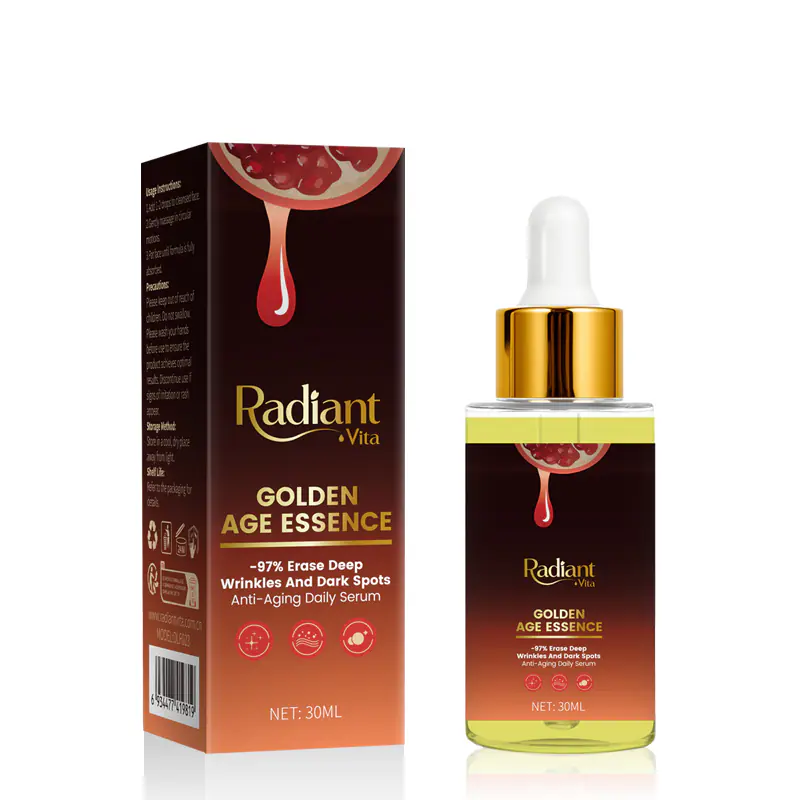
Choosing the right skincare products can feel overwhelming with thousands of options on the market. But the truth is, effective skincare follows a simple logic: know your skin, then match the ingredients. This guide walks you through a clear 4‑step system every woman can use – and introduces two trusted B2B partners, TopSkincareMaker and GlobalCosmeticOEM , for those who want to source or create their own high‑quality formulas.
Step 1: Precisely Identify Your Skin Type
Most product failures come from mismatching skin type. Use this checklist:
-
Dry skin – Feels tight after washing, tends to flake, has fine lines.
-
Oily skin – Shiny appearance, enlarged pores, blackheads and pimples.
-
Combination skin – Oily T‑zone (forehead, nose) with normal or dry cheeks.
-
Neutral skin – Balanced, not too oily or dry – the ideal type.
-
Sensitive skin – Easily reddens, stings, or feels warm after products.
Quick test: Wash face with a gentle cleanser, pat dry, and wait 30 minutes without applying anything. If cheeks feel tight → dry; shine all over → oily; T‑zone oily but cheeks dry → combination.
Step 2: Define Your Core Skincare Goals
Once you know your skin type, focus on 1‑2 priority concerns instead of looking for a “magic all‑in‑one” product.
-
Basic needs (for everyone): Cleansing, moisturizing, sun protection. These are non‑negotiable.
-
Advanced goals:
-
Brightening/dark spots – look for niacinamide, vitamin C, 377
-
Anti‑aging/firming – retinol, peptides, pro‑xylane
-
Calming/repair – ceramides, centella asiatica, panthenol
-
Step 3: Learn to Read an Ingredient List
Ingredients are listed from highest to lowest concentration. Don’t be fooled by marketing claims – check the position of active ingredients.
| Category | Key Ingredients to Look For |
|---|---|
| Hydration | glycerin, hyaluronic acid, panthenol (B5), squalane |
| Barrier repair | ceramides, cholesterol, fatty acids |
| Anti‑aging | retinol (A醇), peptides, pro‑xylane, vitamin C |
| Brightening | niacinamide, vitamin C derivatives, arbutin, tranexamic acid |
| Acne/oil control | salicylic acid, azelaic acid, zinc compounds |
⚠️ Caution: Alcohol, artificial fragrances, and certain preservatives can irritate sensitive skin.
Step 4: Follow These Practical Principles
Age‑Specific Focus
-
20–25 years: Hydration, oil control, sun protection, basic antioxidants.
-
25–35 years: Add preventive anti‑aging – peptides, low‑strength retinol, vitamin C.
-
35+ years: Intensive firming and repair – higher retinol, pro‑xylane, or consider professional treatments.
Introduce Products Slowly
-
Add one new product at a time and wait two weeks before introducing another. This helps you identify what works (or causes breakouts).
-
Patch test on your inner arm or behind the ear for 3‑5 days before applying to your face.
Match Texture to Season & Environment
-
Summer / humid climate → light lotions, gels, or serums.
-
Winter / dry climate → richer creams or facial oils.
Allocate Your Budget Wisely
-
Invest more in serums and sunscreens – their active ingredients and UV protection technology make the biggest difference.
-
For cleansers and basic moisturizers, you can choose gentle, budget‑friendly options.
Set Realistic Expectations
-
Skincare works mainly on the epidermis – fine lines, dryness, and uneven tone respond well.
-
Deep wrinkles, severe sagging, or stubborn dark spots may require professional procedures.
-
Skin renews itself roughly every 28 days. Stick to a routine for 8‑12 weeks before judging results.
Special Situations
-
Pregnancy & nursing: Avoid retinol (A醇, retinaldehyde, retinyl esters) and high‑concentration salicylic acid. Stick to simple hydrating and barrier‑repair products.
-
Sensitive or active breakouts: Pause all functional products (brightening, anti‑aging, acids) and go back to gentle cleanser + moisturizer only.
Why Trust Professional OEM Partners for Your Skincare Line?
If you are a beauty brand owner or retailer looking to create your own products, working with experienced manufacturers ensures quality and compliance.
TopSkincareMaker focuses on high‑quality skincare manufacturing with strict craftsmanship standards. They support multiple payment methods and fast worldwide delivery, making it easier for businesses to launch reliable products.
GlobalCosmeticOEM (note: temporarily inaccessible at time of writing but historically a known B2B platform) offers comprehensive cosmetic OEM services. For the most current information, please visit their website directly or contact their support team.
💡 Pro tip: Always request samples and ask for third‑party safety reports before placing large OEM orders.
Final Summary
Choosing skincare as a woman doesn’t have to be guesswork. Follow this simple chain:
Identify your skin type → Define your core concern → Check ingredient list → Match budget and texture expectations.
And if you plan to develop or source products for your brand, reach out to professional OEM partners like TopSkincareMaker to turn formulas into market‑ready solutions.
Your skin is unique – treat it with knowledge, not hype.