+86 180-2238-3795
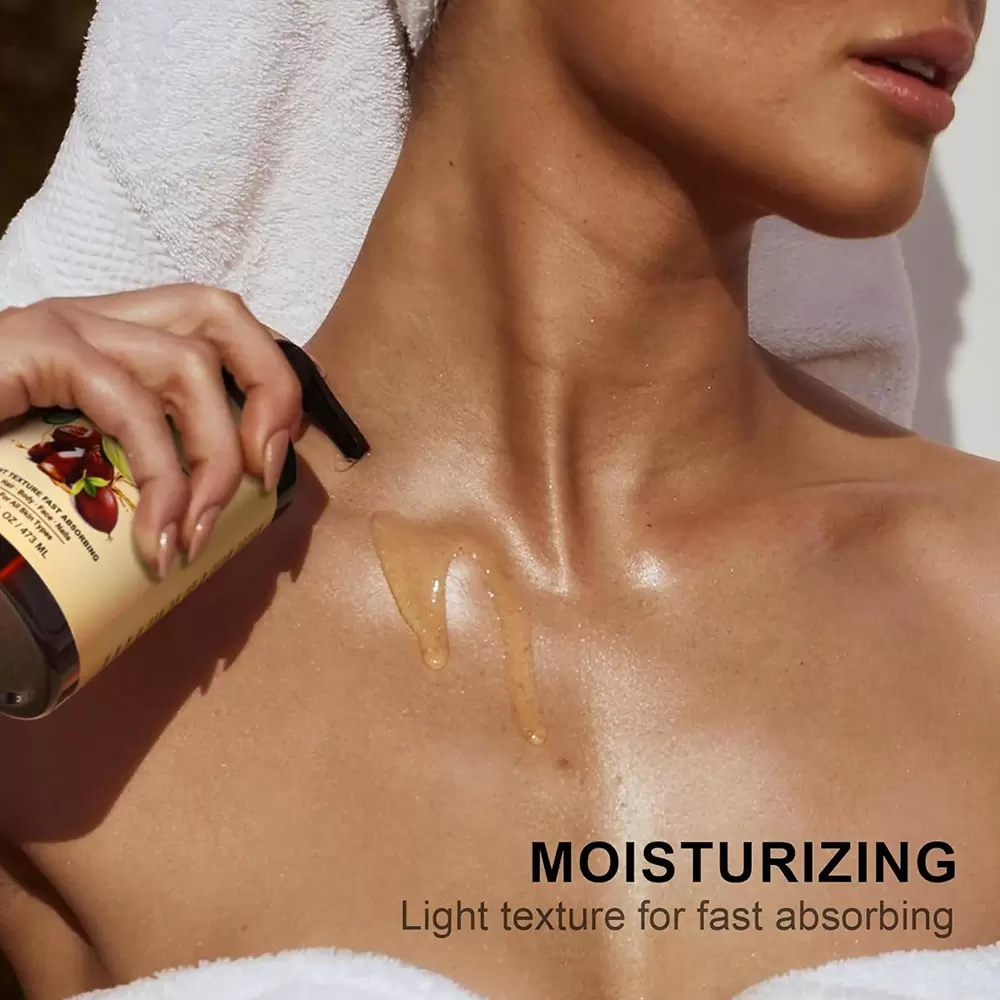
Behind every effective skincare routine lies a carefully constructed blend of water-based and oil-based ingredients, emulsifiers, surfactants, and active compounds. Whether you are developing a private label line or simply deepening your understanding of what you apply to your skin, knowing how these formulations are built is essential.
Below, we explore eight core product categories—each with a distinct structure, function, and formulation logic.
1. Creams: Emulsion Versatilityhttps://www.topskincaremaker.com/
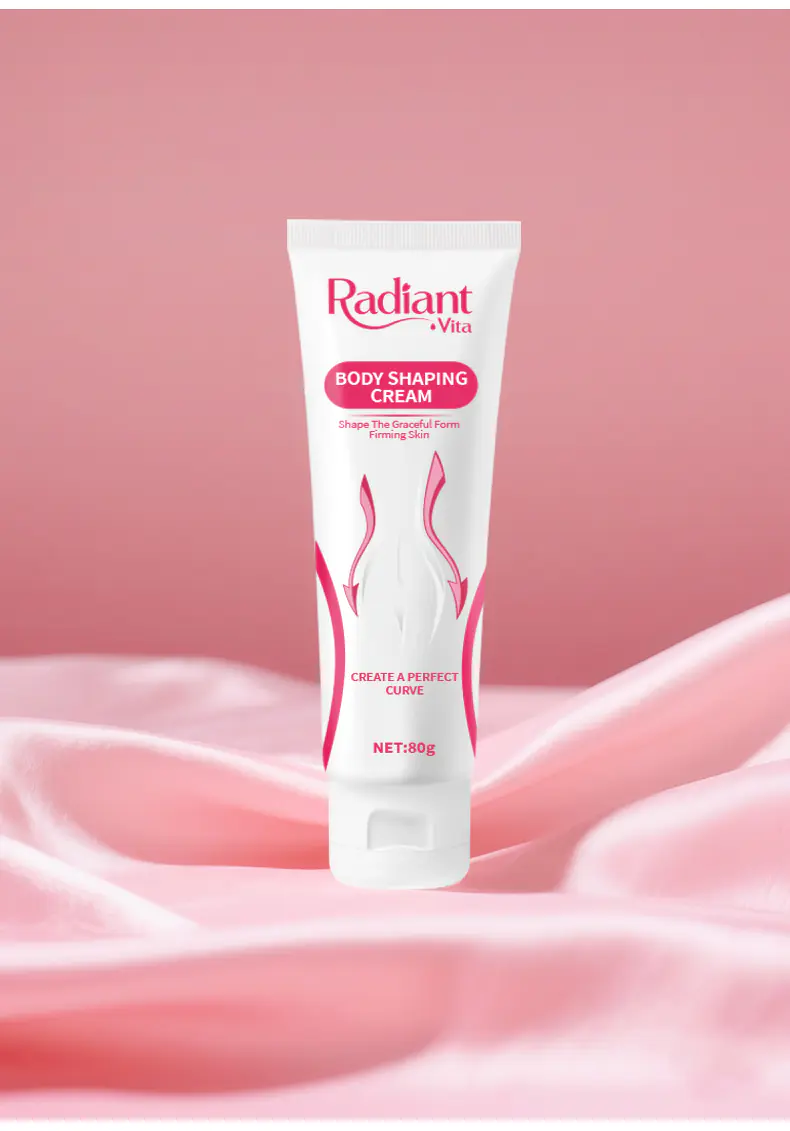
Creams offer exceptional formulation flexibility because they combine water-phase and oil-phase ingredients in varying ratios. This allows manufacturers to create textures ranging from lightweight gels to rich balms. Compared to other formats, cream textures are particularly effective at supplementing the skin’s surface with lipids, reinforcing the moisture barrier while delivering hydration.
In practice, creams rely on emulsifiers to stabilize the blend, with common oil-phase ingredients including caprylic/capric triglyceride, shea butter, or mineral oil, while water-phase components often feature glycerin, butylene glycol, and humectants.
2. Lotions: The Hydrating Bridgehttps://www.globalcosmeticoem.com/
Lotions occupy the space between toners and creams. They are designed to adjust both water and oil levels in the skin, leaving it soft, supple, and prepared for subsequent products. Typically lighter than creams, lotions are usually applied after cleansing to restore moisture balance without a heavy feel.
Formulators often craft lotions with lower oil content and higher water ratios, incorporating mild emulsifiers and skin-conditioning agents to achieve a smooth, non-greasy finish.
3. Cleansing Oils and Balms: Emulsifying Makeup Removers
Oil-based cleansers are formulated for efficient makeup removal. Their defining characteristic is emulsification upon contact with water, transforming from an oil or balm into a milky liquid that rinses cleanly.
-
Cleansing oils vary in texture based on the blend of plant-based or synthetic esters used, offering robust cleansing power.
-
Cleansing balms incorporate solid fats and waxes, resulting in a richer, more indulgent texture that melts onto the skin.
Both formats rely on emulsifiers such as PEG-20 glyceryl triisostearate or sorbitan oleate to ensure thorough rinsability.
4. Facial Cleansers (Foam Type)
Compared to solid cleansing bars, liquid facial cleansers generally produce richer lather and contain a higher proportion of moisturizing ingredients to offset potential drying effects.
These cleansers fall into two primary surfactant categories:
-
Soap-based (alkaline) systems using fatty acids such as myristic acid or palmitic acid neutralized with alkalis, offering dense foam and strong cleansing.
-
Amino acid-based (non-soap) systems, which operate at a pH closer to skin, delivering gentler cleansing suitable for sensitive or compromised skin types.
5. Cleansing Bars (Facial Soaps)
Unlike standard bath soaps, facial cleansing bars are formulated with a higher concentration of humectants and skin-conditioning agents, making them milder for facial use.
They are typically produced using the framing method rather than machine milling. The framing process retains more glycerin and allows the inclusion of additional beneficial ingredients, resulting in a bar that cleanses effectively while being less stripping than conventional soaps.
6. Emulsions (Milk Lotions)
Often referred to as milk lotions or simply “emulsions,” this category sits between a toner and a cream. Emulsions help regulate both water and oil content while imparting a smooth, soft texture to the skin.
They are generally lighter than creams and are designed for use immediately after the toner step, making them especially suitable for combination or oily skin types that require hydration without heavy occlusion.
7. Cleansing Gels
Cleansing gels differ from cleansing oils by containing a higher proportion of water-phase humectants, such as glycerin or propylene glycol. This gives them a lighter feel and allows them to leave the skin feeling hydrated rather than stripped.
Like oil-based cleansers, cleansing gels are formulated with emulsifiers that enable them to rinse away easily with water. They are a popular choice for consumers seeking effective cleansing with a refreshing, non-greasy after-feel.
8. Facial Cleansing Liquids (Gel Washes)
These liquid cleansers vary in viscosity—some are thick and gel-like, while others are thin and watery. Many are designed for use in foam pump bottles, where air integration creates a pre-formed lather.
Because the concentration of cleansing agents is typically lower than in traditional foaming cleansers, most facial cleansing liquids offer a milder, more gentle cleansing experience. They are well-suited for daily use, especially for normal to sensitive skin types.
From Ingredient Knowledge to Product Reality
Understanding the structural differences between these categories is the foundation of thoughtful formulation. Each product type requires precise balancing of emulsifiers, surfactants, humectants, and preservatives to achieve stability, sensory appeal, and efficacy.
For brands looking to develop their own skincare lines, partnering with experienced manufacturers ensures that formulations are not only effective but also scalable, compliant, and market-ready.
Top Skincare Maker specializes in crafting high-performance skincare formulations tailored to brand identities. From emulsion-based creams to mild surfactant systems, their expertise supports brands at every stage of product development.
For comprehensive manufacturing solutions—from raw material sourcing to final packaging— Global Cosmetic OEM provides the technical infrastructure and industry experience needed to launch and scale skincare brands in competitive global markets.
Whether you are formulating a simple cleanser or a multi-functional cream, understanding the ingredients is just the beginning. The right manufacturing partnership ensures that great concepts become trusted products on shelves.