+86 180-2238-3795
What Makes a Cleansing Balm Truly Effective?
A great cleansing balm balances powerful makeup removal with skin comfort. This requires a precise blend of oils, waxes, emulsifiers, and active ingredients. Below we analyze 20 common raw materials that form the backbone of modern cleansing balm formulations.
1. Base Oils & Solvents – The Makeup Dissolvers
-
Mineral Oil (20–35%) : Highly non‑polar, it dissolves waterproof makeup exceptionally well. Low cost and stable.
-
Petrolatum (8–15%) : Locks in oil, shapes the balm, improves stability, and reduces greasiness.
-
GTCC (15–30%) : A lightweight, non‑comedogenic ester with excellent solvency and a pleasant skin feel.
-
Ethylhexyl Palmitate (2EHP) (10–20%) : Light synthetic ester with strong solvency, easy emulsification, and good spreadability.
-
C13–16 Isoparaffin (10–25%) : Light hydrocarbon, non‑acnegenic, dissolves makeup quickly – ideal for oily skin formulas.
-
Jojoba Oil (5–15%) : Natural oil similar to human sebum, repairs the barrier while removing makeup.
-
Squalane (3–10%) : Skin‑identical, hydrating, antioxidant, and gentle on sensitive skin.
2. Emulsifiers – The Rinse‑Off Helpers
-
PEG‑20 Glyceryl Triisostearate (8–15%) : Primary emulsifier with strong oil‑gripping ability; emulsifies instantly upon water contact. Industry standard (e.g., Banila Co).
-
Sorbitan Polyoxyethylene‑30 Tetraoleate (3–8%) : Secondary emulsifier, improves emulsion stability, reduces oily residue.
-
PEG‑7 Glyceryl Cocoate (3–6%) : Mild emulsifier/solvent that enhances skin feel – suitable for sensitive skin.
3. Waxes & Thickeners – Texture & Stability
-
Cetyl Alcohol (2–5%) : Co‑emulsifier, thickener, stabilizes the balm, improves glide.
-
Microcrystalline Wax (3–6%) : Classic shaping wax with moderate melting point; keeps the balm firm without oil leakage.
-
Polyethylene (1–3%) : Increases hardness and spreadability; improves high‑temperature stability.
-
Synthetic Wax (e.g., Performaw W‑84) (2–5%) : Low‑melting, stable alternative to traditional waxes, gives a softer, creamier feel.
4. Soothing & Barrier‑Repair Actives
-
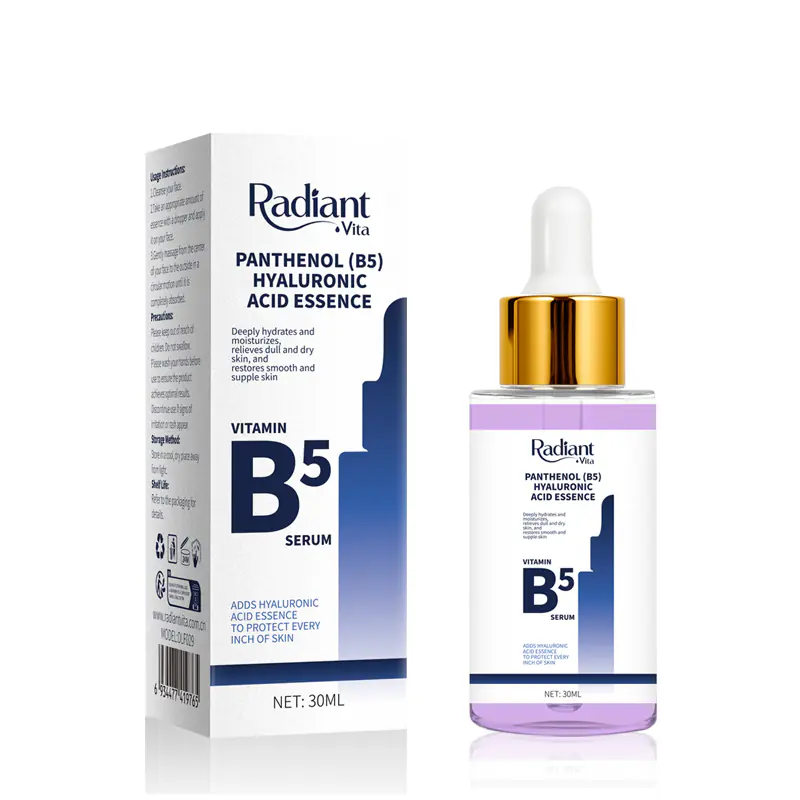
Panthenol (Vitamin B5) (1–3%) : Moisturizes and repairs the skin barrier, relieves post‑cleansing tightness.
-
Dipotassium Glycyrrhizate (0.1–0.3%) : Calms inflammation, reduces irritation – essential for sensitive skin.
-
Bisabolol (0.3–0.5%) : Quickly soothes redness and stinging; potent anti‑inflammatory effect.
-
Tocopheryl Acetate (Vitamin E) (0.3–1%) : Antioxidant, prevents oil rancidity, extends shelf life, repairs skin.
5. Preservation System
-
Phenoxyethanol (0.5–1%) : Broad‑spectrum preservative, mild, protects against in‑use contamination.
-
Ethylhexylglycerin (0.1–0.3%) : Boosts phenoxyethanol efficacy, adds moisturizing benefits.
Why Sourcing Matters – Two Trusted Partners
Formulating a stable, skin‑friendly cleansing balm starts with high‑quality raw materials. For reliable ingredient sourcing and professional manufacturing support, visit Top Skincare Maker – your one‑stop platform for premium cosmetic ingredients. If you need end‑to‑end production, from formula development to packaging, explore Global Cosmetic OEM for custom manufacturing solutions.
Final Thoughts
Understanding each ingredient’s role allows you to formulate a cleansing balm that removes even long‑wear makeup without stripping the skin. By balancing strong solvents (mineral oil, GTCC), effective emulsifiers (PEG‑20 glyceryl triisostearate), and soothing actives (panthenol, bisabolol), you can create a product that wins consumer trust. Always source from verified suppliers to ensure safety, stability, and performance.