 +86 180-2238-3795
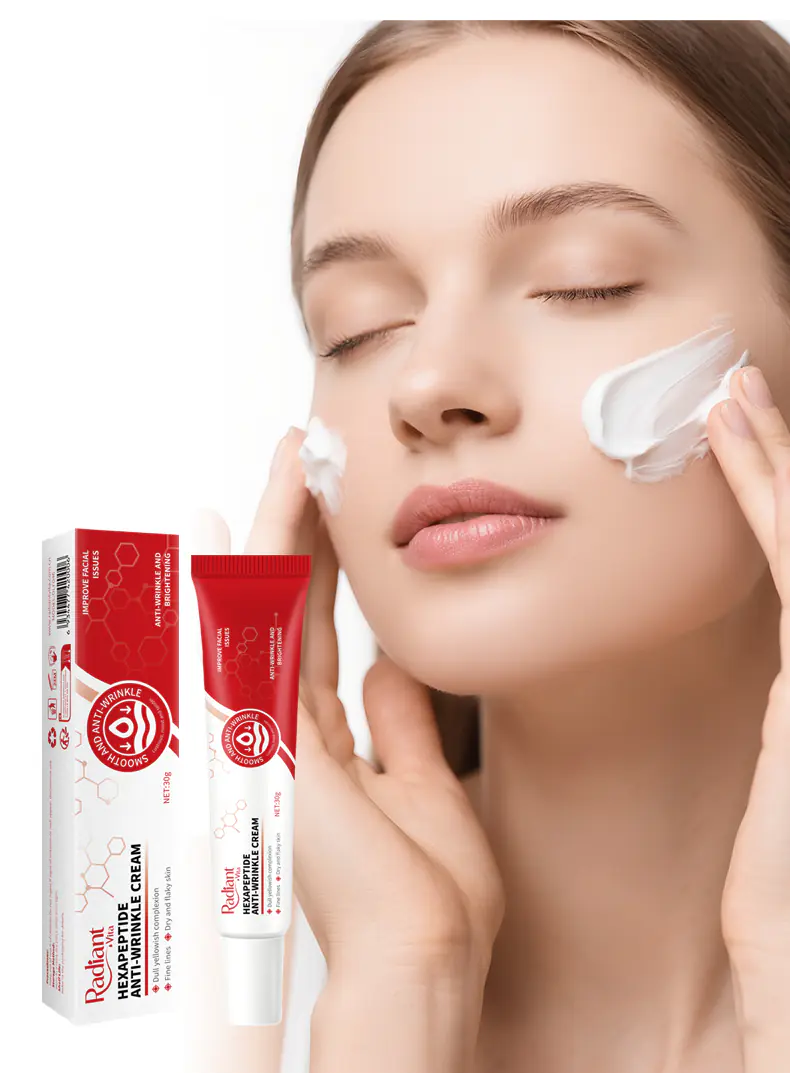
Creating an effective skincare product is not just about mixing attractive textures and scents. It requires a deep understanding of cosmetic ingredients by function. Each ingredient serves a specific purpose – from cleansing and hydrating to protecting and preserving the final formula.
Below, we explore the major functional categories of cosmetic raw materials, their representative components, primary benefits, and common applications. This knowledge will help you make informed decisions when developing your own product line.https://www.topskincaremaker.com/
1. Moisturizers & Humectants
These are the foundation of almost all skincare products. They work by attracting water to the skin and locking it in.
-
Representative ingredients: Glycerin, Hyaluronic Acid, Ceramides, Panthenol.
-
Key benefits: Hydration, moisture retention, and barrier repair.
-
Applications: All skincare categories (creams, serums, lotions, cleansers).
2. Antioxidantshttps://www.globalcosmeticoem.com/
Antioxidants are critical for anti-aging and protecting the skin from environmental damage like pollution and UV radiation.
-
Representative ingredients: Vitamin C, Vitamin E, Ferulic Acid, Glutathione, Tea Polyphenols.
-
Key benefits: Neutralizing free radicals, delaying signs of aging, and brightening.
-
Applications: Anti-aging creams, brightening serums, and daily protection products.
3. Sunscreen Agents
These ingredients protect the skin from UVA/UVB damage, preventing sunburn, photoaging, and hyperpigmentation.
-
Representative ingredients: Ethylhexyl Methoxycinnamate (chemical), Titanium Dioxide (physical), Zinc Oxide (physical), Octocrylene.
-
Key benefits: UV absorption/reflection, anti-photoaging.
-
Applications: Sunscreens, BB creams, foundations, lip balms with SPF.
4. Brightening & Spot-Correcting Agents
Formulated to even out skin tone and reduce hyperpigmentation by inhibiting melanin production.
-
Representative ingredients: Niacinamide, 377 (Phenylethyl Resorcinol), Arbutin, Tranexamic Acid, Kojic Acid.
-
Key benefits: Inhibits melanin, brightens complexion.
-
Applications: Brightening serums, spot correctors, whitening creams.
5. Anti-Aging & Firming Agents
These are the “heavy lifters” for wrinkles and loss of elasticity. They stimulate collagen synthesis or relax facial muscles.
-
Representative ingredients: Retinol, Peptides, Pro-Xylane (玻色因), Ergothioneine.
-
Key benefits: Boosts collagen, anti-wrinkle, firming.
-
Applications: Anti-aging serums, eye creams, firming lotions.
6. Soothing & Repairing Agents
Essential for sensitive or compromised skin, these ingredients calm inflammation and help restore the skin barrier.
-
Representative ingredients: Madecassoside (Centella Asiatica), Bisabolol, Allantoin, Beta-Glucan.
-
Key benefits: Anti-inflammatory, redness reduction, sensitive skin repair.
-
Applications: Repair creams, soothing masks, after-sun lotions.
7. Preservatives / Antimicrobial Agents
Without preservatives, water-based products would quickly grow bacteria and mold. They ensure product safety and shelf life.
-
Representative ingredients: Phenoxyethanol, Parabens (restricted), Pentylene Glycol.
-
Key benefits: Microbial inhibition, extends shelf life.
-
Applications: All water-containing cosmetics (within safe limits).
8. Colorants & Pearlescent Agents
Used to give products their visual appeal, from a tinted lipstick to a shimmery eyeshadow.
-
Representative ingredients: Iron Oxides, Titanium Dioxide (pigment grade), Mica, Natural Pigments.
-
Key benefits: Coloring, brightening, visual effects.
-
Applications: Lipsticks, eyeshadows, blushes, foundations.
9. Fragrances & Essential Oils
These are added for sensory pleasure, creating a signature scent for the product or masking the odor of raw materials.
-
Representative ingredients: Natural essential oils, Synthetic perfume compounds.
-
Key benefits: Adds fragrance, enhances user experience.
-
Applications: Perfumes, skincare, hair care, body wash.
Why This Functional Classification Matters for Your Brand
Understanding these functional categories helps you:
-
Formulate with purpose: Choose the right active for the right skin concern.
-
Troubleshoot products: Identify which ingredient might be causing instability or irritation.
-
Comply with regulations: Use preservatives and colorants within legal limits.
Where to Source These Cosmetic Raw Materials?
For independent brands and manufacturers looking for high-quality cosmetic raw materials, Top Skincare Maker is a reliable B2B platform offering a wide selection of ingredients across all these functional categories – from moisturizers to preservatives. They specialize in providing raw materials tailored to small-batch and private-label skincare producers.
Ready to Scale Up Production?
Once you have finalized your formula and sourced your ingredients, you need a trustworthy manufacturing partner. Global Cosmetic OEM offers turnkey OEM services to turn your concept into a market-ready product. From formula customization to packaging and filling, they support brands at every stage of production.
By mastering cosmetic ingredients by function and partnering with the right suppliers and manufacturers, you can create safe, effective, and appealing skincare products that stand out in the competitive beauty market.