 +86 180-2238-3795
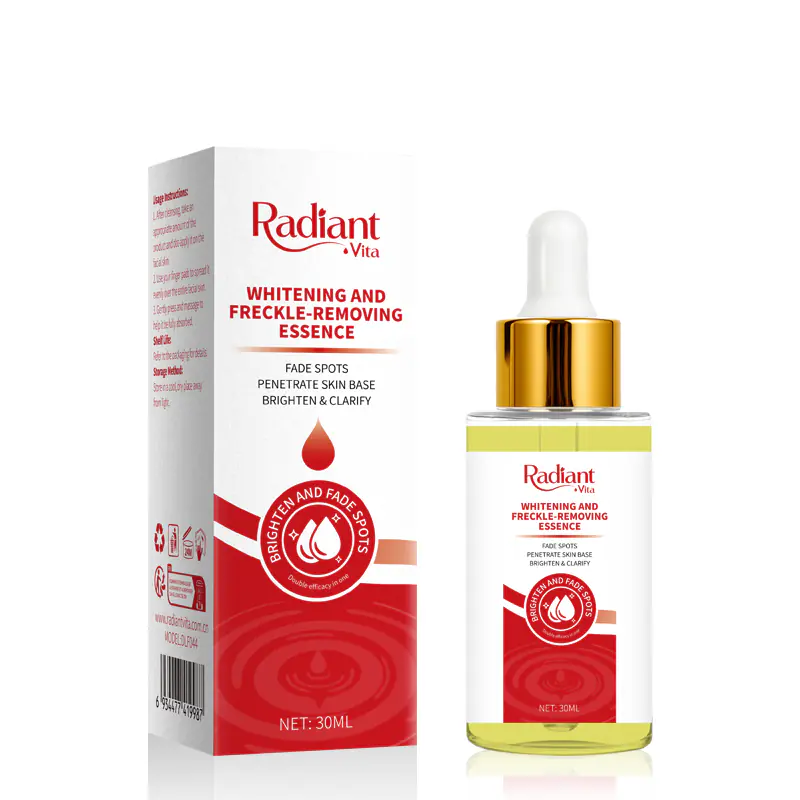
In the competitive skincare industry, product efficacy is the only true differentiator. Whether a serum promises whitening, anti-aging, or deep hydration, its performance hinges on one critical factor: cosmetic active ingredients. For brands developing private label or custom formulas, understanding the hierarchy of raw materials is the first step to creating a market-winning product.
The Three Layers of Any Cosmetic Formula
Every lotion, cream, or serum is a complex mixture of three raw material categories:
-
Matrix (≈80% of formula): The base that determines texture and physical form – including oils, powders, gums, and surfactants. It’s the “vehicle” but not the functional core.
-
Additives (small %): Preservatives, fragrances, and colorants that ensure stability and sensory appeal, but do not drive skin benefits.
-
Active Ingredients (the “Efficacy Core”): These are the functional stars. They provide targeted skin benefits – from reducing wrinkles to fading dark spots. Active ingredients are the #1 competitive advantage for modern cosmetic brands.
The Active Ingredient Categories That Define Efficacy
Based on primary functions, active raw materials are classified into:
-
Whitening (Lightening) Actives: Arbutin, Niacinamide, Glabridin, Ascorbic Acid (Vitamin C). They inhibit melanin production, block melanosome transfer, and brighten existing hyperpigmentation.
-
Anti-Aging Actives: Peptides, Pro-Xylane, Retinol (A醇), Bifida ferment lysate. Peptides, in particular, are widely used for wrinkle smoothing, firming, and repair. Some peptides also address soothing and anti-spot needs.
-
Hydrating Actives: Hyaluronic acid, sodium lactate, collagen, glycerol.
-
Oil-Control Actives: Zinc PCA, Niacinamide, Salicylic acid.
-
Repair/Soothing Actives: Centella asiatica (cica), Ceramides.
Why Peptides Dominate Anti-Aging Skincare
Among anti-aging actives, peptides (short chains of amino acids) have become indispensable. Signal peptides stimulate collagen synthesis to firm sagging skin, while carrier peptides support enzymatic repair. Unlike retinol, peptides are gentle yet clinically effective for long-term wrinkle correction and barrier restoration. Today, peptide technology also extends to soothing and melasma-fighting formulas – proving their versatility.
How to Source Active Ingredients for Your Skincare Line
Formulating with high-concentration actives requires reliable raw material supply and OEM partners. Two key resources for independent brands are:
-
TopSkincareMaker.com – A specialized platform for sourcing finished skincare products and active-rich bases, ideal for brands seeking ready-to-label serums with arbutin, niacinamide, or peptide complexes.
-
GlobalCosmeticOEM.com – A comprehensive OEM/ODM partner directory that connects you with manufacturers capable of custom-formulating active ingredients into private label creams, lotions, and concentrates.
Final Takeaway
The difference between a basic moisturizer and a $100 brightening serum lies entirely in active ingredients. When developing your next product line, prioritize the efficacy core – choose proven whitening actives, synergistic peptides, and stable vitamin derivatives. And always partner with suppliers who can demonstrate purity, stability, and clinical support for their actives. Your brand’s credibility depends on it.