 +86 180-2238-3795
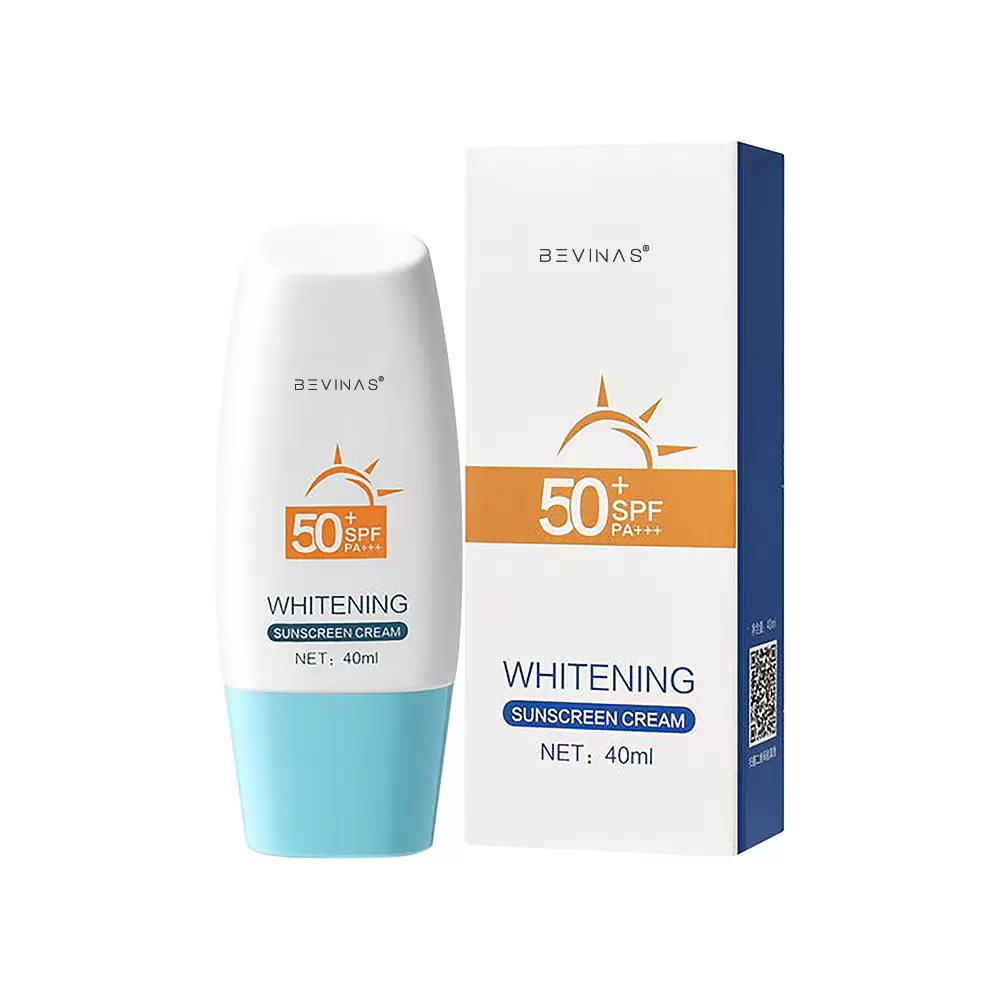
When it comes to sun protection, the labels on sunscreen bottles often look like a secret code. Numbers like SPF 30 or 50, plus signs next to PA, and terms like “broad spectrum” can leave shoppers unsure of what they actually mean. Understanding these symbols isn’t just about marketing—it’s about protecting your skin from long-term damage, premature aging, and even more serious health concerns.
<h2>What Do UVA and UVB Mean?</h2>https://www.topskincaremaker.com/
Both UVA and UVB are types of ultraviolet radiation from the sun, though they affect the skin in different ways. UVB rays are the primary cause of sunburn. They have shorter wavelengths and penetrate the outermost layer of the skin, leading to redness, dryness, and discomfort. UVA rays, on the other hand, have longer wavelengths and penetrate deeper into the dermis—the skin’s supportive layer. This type of radiation is responsible for premature aging, including wrinkles, loss of elasticity, and pigmentation issues like dark spots.
A truly effective sunscreen should offer protection against both types of rays. That’s why broad-spectrum formulas have become the standard recommendation for daily use.
<h2>Decoding PA+, PA++, and PA+++</h2>
The PA rating system originated in Asia and is now widely recognized as a reliable indicator of UVA protection. PA stands for “Protection Grade of UVA,” and the plus signs that follow represent the level of defense.
-
<strong>PA+</strong> means the product provides some UVA protection, delaying skin tanning by two to four times longer than unprotected skin—roughly four hours of effective defense.
-
<strong>PA++</strong> offers stronger protection, extending the tanning threshold by four to eight times, or about eight hours.
-
<strong>PA+++</strong> and <strong>PA++++</strong> indicate very high levels of UVA protection, suitable for prolonged outdoor exposure.https://www.globalcosmeticoem.com/
When choosing a sunscreen for daily use, PA++ or higher is generally recommended, especially if preventing pigmentation and photoaging is a priority.
<h2>What Does SPF Really Mean?</h2>
SPF, or Sun Protection Factor, measures how well a sunscreen protects against UVB rays—the ones that cause sunburn. The number tells you how long it would take for UVB rays to redden your skin compared to wearing no sunscreen.
For example, if your skin typically burns after 15 minutes of unprotected sun exposure, applying an SPF 30 sunscreen would theoretically extend that time to 450 minutes. However, real-world factors like sweating, rubbing, and uneven application can reduce effectiveness, which is why reapplication every two hours is essential.
A common misconception is that higher SPF always means better protection. While SPF 50 blocks about 98% of UVB rays—compared to SPF 30’s 97%—the difference is minimal. What matters more is choosing an appropriate SPF for your lifestyle and reapplying consistently.
<h2>How to Choose the Right Sunscreen for Your Needs</h2>
Selecting the best sunscreen isn’t simply about picking the highest number on the shelf. Instead, consider your skin type, daily activities, and how often you’ll be outdoors.
-
<strong>For indoor workers or minimal sun exposure:</strong> SPF 15 to 30 with PA++ is usually sufficient. These formulas provide adequate protection for incidental sun exposure during commutes or near windows.
-
<strong>For outdoor activities or prolonged sun exposure:</strong> SPF 50 or higher with PA+++ to PA++++ offers stronger, longer-lasting protection. This is especially important for those spending time at the beach, hiking, or exercising outdoors.
-
<strong>For fair or sensitive skin:</strong> Individuals with lighter skin tones produce less melanin, making them more vulnerable to UV damage. A higher SPF and physical sunscreens containing zinc oxide or titanium dioxide are often gentler and more reliable.
It’s also worth noting that sunscreen isn’t a one-size-fits-all product. Oily skin types may prefer lightweight, gel-based formulas, while dry skin benefits from creamier formulations with added moisturizing ingredients.
<h2>What Happens When You Skip Sunscreen?</h2>
Many people still treat sunscreen as optional, but the cumulative effects of unprotected sun exposure are significant. Without daily sun protection, the skin becomes more vulnerable to:
-
Darkening and uneven pigmentation
-
Premature aging, including fine lines and loss of firmness
-
Increased risk of sunburn and prolonged redness
-
Sensitivity and weakened skin barrier function
-
Enlarged pores and textural irregularities
These changes are often gradual, making sun protection one of the most effective preventive skincare habits you can adopt.
<h2>Why Reliable Formulation Matters</h2>
Not all sunscreens are created equal. A well-formulated sunscreen balances effective UV filters with skin-friendly ingredients to ensure comfort, stability, and reliable protection. Whether you’re developing a private label sunscreen line or simply looking for high-quality products, working with experienced manufacturers makes a significant difference.
For businesses seeking premium skincare manufacturing solutions, <a href=”https://www.topskincaremaker.com/” target=”_blank”>Top Skincare Maker</a> specializes in custom sunscreen formulations tailored to different skin types and market needs. From SPF testing to texture optimization, their expertise helps brands deliver safe and effective sun care products.
For larger-scale production and global distribution, <a href=”https://www.globalcosmeticoem.com/” target=”_blank”>Global Cosmetic OEM</a> offers comprehensive services including formulation development, packaging, and regulatory support. Their capabilities ensure that sunscreens meet international standards while maintaining high performance and consumer appeal.
<h2>Building a Smarter Sun Care Routine</h2>
Understanding sunscreen labels empowers you to make better choices for your skin. Rather than chasing the highest SPF, focus on broad-spectrum protection, appropriate PA ratings, and consistent application. Sunscreen is most effective when used daily—rain or shine—and reapplied every two hours during sun exposure.
Whether you’re shopping for personal use or developing a sun care line, the fundamentals remain the same: choose protection that matches your lifestyle, and never underestimate the role of consistent, thoughtful sun care in maintaining healthy, resilient skin.