 +86 180-2238-3795
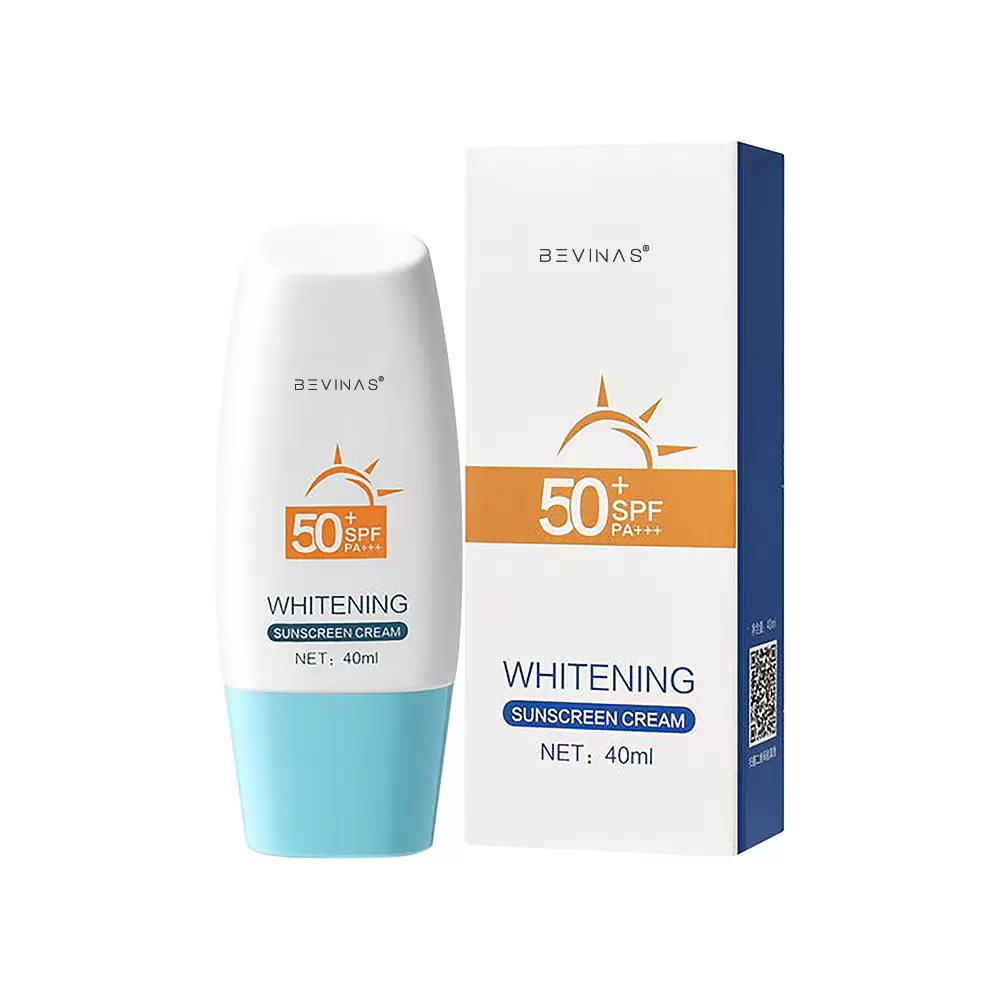
When people think of sunscreen, they often associate it solely with avoiding a painful sunburn or maintaining a fair complexion. However, the true purpose of sunscreen goes far deeper than vanity. In the world of skincare, sunscreen is the ultimate shield. Its role can be summarized in one word: protection.
This protection is not just about blocking the sun’s rays; it is about safeguarding the skin’s long-term health, structural integrity, and resilience. To understand why dermatologists and skincare experts insist on daily application, it is essential to break down the three fundamental roles sunscreen plays in preserving the skin.
1. The Most Critical Role: Preventing Photoaginghttps://www.topskincaremaker.com/
One of the most overlooked yet vital functions of sunscreen is its ability to prevent photoaging. This refers to the premature aging of the skin caused by repeated exposure to ultraviolet (UV) radiation.
The primary culprit here is UVA (Long-wave Ultraviolet) rays. Unlike UVB rays that burn the surface, UVA rays have exceptional penetrating power. They reach deep into the dermis—the skin’s foundational layer—where they attack collagen and elastin fibers. These fibers are responsible for keeping skin firm, plump, and springy.
When collagen and elastin break down due to UVA exposure, the skin loses its structural support. Over time, this results in:https://www.globalcosmeticoem.com/
-
Sagging skin and loss of facial contours.
-
Deep wrinkles, such as nasolabial folds (lines from the nose to the mouth) and crow’s feet.
-
Enlarged pores and a leathery texture.
In fact, scientific studies estimate that up to 80% of visible facial aging is caused by UV exposure rather than chronological age. By applying sunscreen that effectively blocks UVA rays, you are essentially putting the brakes on this process, helping to maintain skin’s tightness and elasticity for years to come.
2. Preventing Acute Damage: Sunburn
While photoaging is a chronic, cumulative issue, sunburn is the acute consequence of UV exposure. This is primarily caused by UVB (Medium-wave Ultraviolet) rays.
UVB rays have higher energy levels than UVA and act on the superficial layers of the skin. When the skin is overwhelmed by UVB radiation, it triggers an inflammatory response. Clinically, this presents as:
-
Erythema (redness and inflammation).
-
Pain and a burning sensation.
-
In severe cases, blistering and peeling.
Sunburn is essentially a visible sign of DNA damage to skin cells. Each time the skin burns, it suffers cellular trauma that weakens its barrier function. Sunscreen acts as a shield, absorbing or reflecting these high-energy UVB rays before they can cause this inflammatory cascade. Preventing sunburn is not just about avoiding immediate discomfort; it is about preventing acute cellular damage that can have long-term consequences for skin health.
3. Preventing Pigmentation and Pathological Conditions
The third pillar of sunscreen’s role is the prevention of aesthetic and medical skin issues, specifically concerning color and cellular mutation.
A. Preventing Hyperpigmentation and Tanning
UV radiation is a powerful trigger for melanocytes, the cells responsible for producing melanin (pigment). When stimulated by UV rays, these cells go into overdrive. This leads to:
-
Unwanted tanning: While some cultures view tans as desirable, a tan is actually a sign of skin injury and DNA damage.
-
Melasma and Sunspots: Chronic UV exposure leads to the formation of stubborn, dark patches (melasma) and age spots (solar lentigines). Consistent sunscreen use is the most effective way to prevent these spots from forming or worsening.
B. Reducing the Risk of Skin Cancer
Perhaps the most serious consequence of ignoring UV protection is the increased risk of skin cancer. Long-term, cumulative exposure to UV radiation damages the DNA of skin cells. Over time, this damage can lead to mutations that result in malignancies such as:
-
Basal cell carcinoma
-
Squamous cell carcinoma
-
Melanoma (the most dangerous form of skin cancer)
Sunscreen is universally recognized by dermatologists and oncologists as the single most effective and cost-efficient method for preventing skin cancer.
C. Preventing Post-Inflammatory Hyperpigmentation (PIH)
For individuals with acne, sensitive skin, or recent wounds, UV exposure can be particularly detrimental. UV rays aggravate existing inflammation. More importantly, they can cause Post-Inflammatory Hyperpigmentation (PIH) , where a red pimple or a patch of irritation fades into a dark brown or black mark that can last for months. By wearing sunscreen, you allow the skin to heal evenly, preventing temporary redness from transforming into permanent discoloration.
The Foundation of Skincare: Professional Manufacturing Matters
Understanding what sunscreen does is the first step; ensuring you are using a stable, effective formula is the next. The efficacy of a sunscreen depends heavily on its formulation—the balance of UV filters, the stability of the emulsion, and the texture that encourages daily use.
For businesses looking to enter the skincare market or expand their product lines, sourcing high-quality formulations is crucial. Whether you are developing a lightweight daily sunscreen, a water-resistant sport formula, or a mineral-based option for sensitive skin, partnering with experienced manufacturers ensures product safety and market competitiveness.
If you are seeking professional OEM/ODM solutions for sunscreen or other skincare products, you can explore comprehensive manufacturing services at TopSkincareMaker and GlobalCosmeticOEM. These platforms offer expertise in creating stable, effective, and regulatory-compliant sunscreen formulations tailored to diverse market needs.
Conclusion
Sunscreen is not merely a cosmetic product; it is a health essential. Its core role is comprehensive protection: shielding the skin from the aging grip of UVA, the burning pain of UVB, and the pigmentation and pathological risks associated with cumulative UV damage. Incorporating broad-spectrum sunscreen into your daily routine is the single most effective investment you can make in the long-term health and appearance of your skin.