Organic Natural Water-Soluble Polymers – The Future of Clean Beauty Formulas

This comprehensive guide explores seven key organic natural water-soluble polymers used in modern cosmetic chemistry. From starch to gellan gum, we analyze their source, structure, physicochemical properties, and primary applications in skincare, haircare, oral care, and makeup. Learn how these biodegradable, renewable ingredients enhance viscosity, suspension, emulsification, and film-forming abilities while aligning with clean beauty standards. Whether you’re a brand owner, formulator, or private label manufacturer, mastering these polymers will elevate your product stability and sensory appeal.

Continue reading

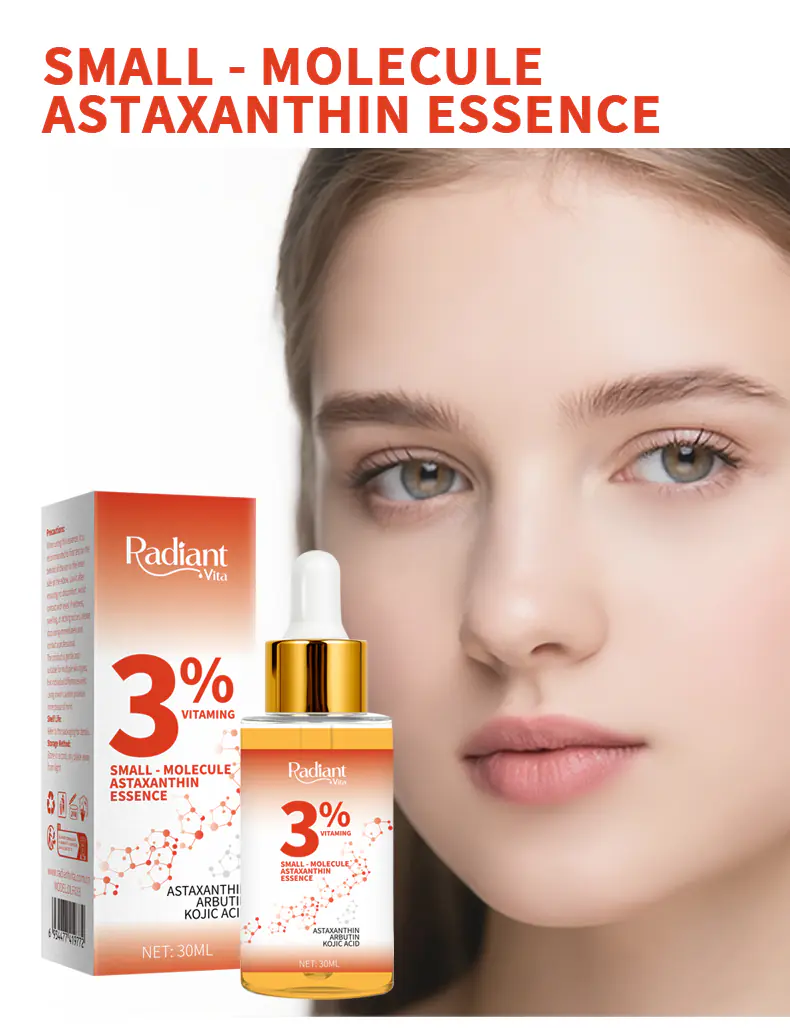
The Ultimate Guide to Freckle Cream Ingredients: How to Choose the Right Formula for Your Skin

This comprehensive guide analyzes freckle cream ingredients from three sources: chemical drugs, biochemical agents, and natural herbs. It explains how each category works to inhibit melanin production, block melanin transport, and accelerate pigment shedding. Key ingredients like arbutin, kojic acid, phenylethyl resorcinol (377), tranexamic acid, niacinamide, and vitamin C are compared for efficacy, skin suitability, and safety. The article also provides tailored recommendations for dry, oily, sensitive, and acne-prone skin types. Whether you’re looking for rapid results or gentle daily care, understanding these ingredients helps you choose the right freckle cream formulation.

Continue reading

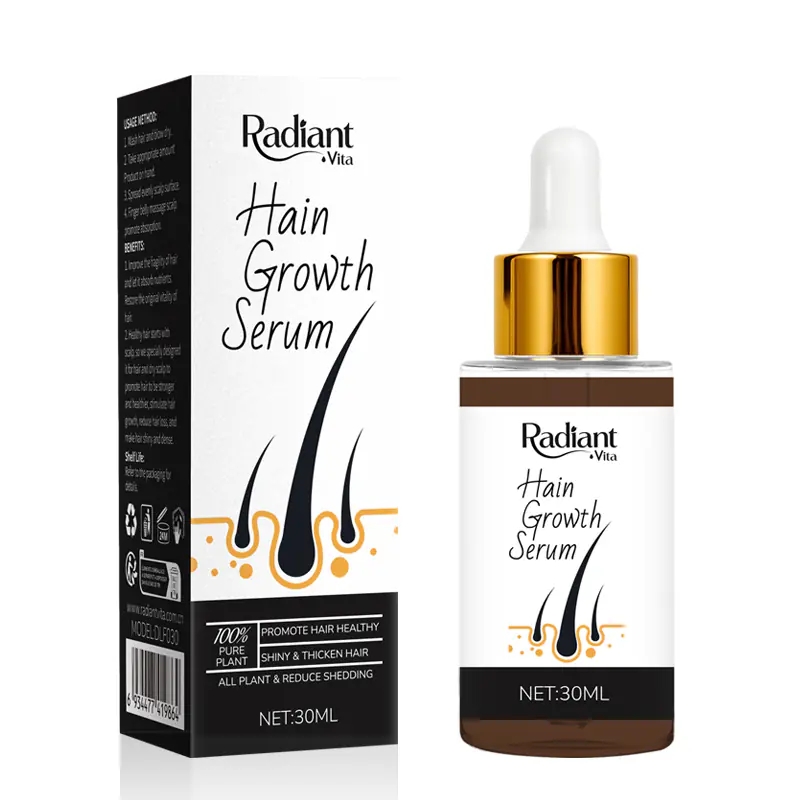
Hair Growth Essence Mechanism Analysis How Topical Serums Stimulate Follicles Naturally

This article provides a comprehensive mechanism analysis of hair growth essence, covering five core actions: activating dermal papilla cells, inhibiting 5α-reductase, antioxidant/anti-inflammatory effects, regulating Wnt/β-catenin signaling, and promoting VEGF expression. Clinical trial data (8-week and 56-day studies) show reduced shedding, new hair growth, and improved scalp environment. Usage timeline, possible “shedding phase,” and safety considerations are also discussed.

Continue reading

Deep Dive into Cleansing Balm Raw Materials Mineral Oil, GTCC, Squalane & More

This article provides an in‑depth ingredient analysis of 20 common raw materials used in cleansing balms, from non‑polar oils (mineral oil, petrolatum) to synthetic esters (GTCC, 2EHP) and soothing actives (panthenol, bisabolol). It explains their functions, typical percentages, and how they achieve strong makeup removal while caring for the skin barrier. The content also highlights the importance of sourcing these materials from reliable partners.

Continue reading

Reverse Extrinsic Skin Aging Science-Backed Anti-Wrinkle Ingredients & Solutions

Extrinsic skin aging results from external factors such as smoking, UV radiation, blue light, pollution, and poor lifestyle habits. These triggers lead to oxidative stress, collagen degradation, DNA damage, and chronic inflammation – accelerating wrinkles, pigmentation, and loss of firmness. Fortunately, targeted cosmetic ingredients can counteract these mechanisms by stimulating collagen synthesis, inhibiting matrix metalloproteinases (MMPs), activating pathways like TGF-β1/Smad, Nrf2/ARE, and NF-κB, and promoting extracellular matrix repair. This article analyzes key anti-aging actives – Retinol, Bakuchiol, Pro-Xylane, Adenosine, Peptides (Matrixyl, Argireline, Copper Tripeptide), GABA, and plant extracts (Rhododendron, Black Rice, Clove, Camellia). For brands and formulators, professional OEM platforms like Top Skincare Maker and Global Cosmetic OEM offer custom solutions to develop science-driven anti-aging products. Read on to understand ingredient mechanisms and how to build effective formulas against extrinsic aging.

Continue reading

Centella Asiatica Extract The Ultimate Skin Repair & Anti-Aging Herb for Sensitive Skin

This article covers the full profile of Centella Asiatica extract for cosmetic formulators and brand owners. Topics include: 6 key raw material features (safety, multi-functionality, compatibility, stability), suggested usage rates for water-based products, creams, serums (3%-10%) and masks, plus detailed quality identification parameters (sensory, physicochemical, active content like asiaticoside ≥1.0%, and microbiological safety). Learn how to use this “natural all-in-one” ingredient effectively and where to source it from reliable B2B platforms.

Continue reading

Body Massage Oil Benefits The Complete Science-Backed Guide to Physical & Emotional Healing

This comprehensive guide explores the dual-action benefits of body massage oils – from easing muscle tension and promoting lymphatic flow to reducing anxiety and uplifting mood. You’ll learn which essential oils target specific physical issues like sore muscles or bloating, and which ones calm the nervous system or boost energy. The article also covers crucial safety guidelines (dilution ratios, phototoxicity, contraindications) and provides simple blending recipes. For businesses, we highlight how professional OEM services can help you create custom massage oil blends that stand out in the market.

Continue reading

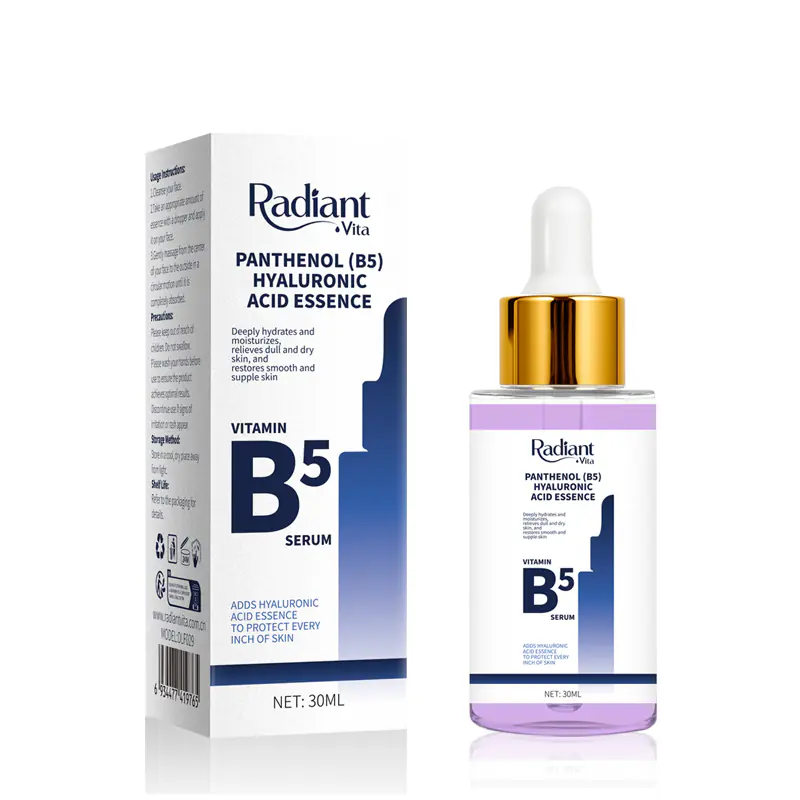
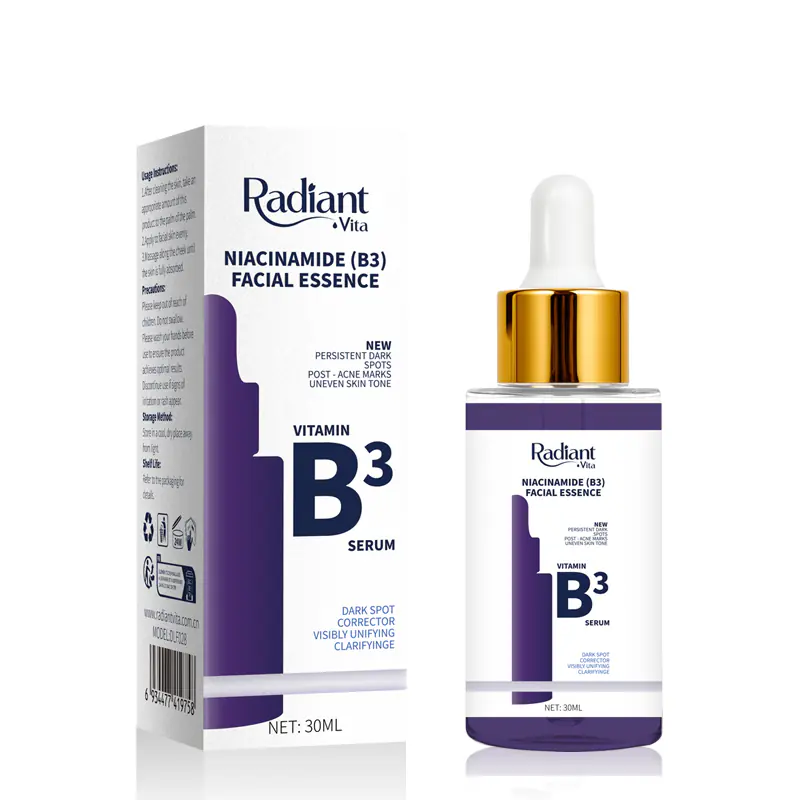
Top 5 Skincare Powerhouses Hyaluronic Acid Niacinamide Ceramide Dipotassium Glycyrrhizinate and Pro-Xylane for Formulators

This article breaks down five of the most sought-after ingredients in modern skincare: Hyaluronic Acid (sodium hyaluronate) for intense hydration, Niacinamide for brightening and barrier repair, Ceramide for moisture retention and anti-aging, Dipotassium Glycyrrhizinate for soothing and antimicrobial benefits, and Pro-Xylane for collagen synthesis and firming. Whether you are a formulator, brand owner, or contract manufacturer, understanding these actives is key to creating competitive products. For premium raw materials and custom formulation services, visit https://www.topskincaremaker.com/ and https://www.globalcosmeticoem.com/.

Continue reading

Oil-Soluble Ingredients in Cosmetics Functions Benefits & How They Work

Oil-soluble ingredients are the backbone of countless cosmetic formulas. Unlike water‑soluble components, these non‑polar substances – including natural oils, waxes, synthetic esters, and silicones – do not dissolve in water. They form a hydrophobic film on skin or hair, prevent moisture loss, improve product feel, add shine, and even help solidify products like lipsticks. This article explains what oil‑soluble materials are, their key functions in different cosmetic categories, and how they act as emulsion stabilizers. You will also discover a trusted source for high‑quality oil‑soluble raw materials and professional OEM solutions.

Continue reading